One Chain to Rule Them All? Why Crypto Maxis Are Leaving Real Money on the Table
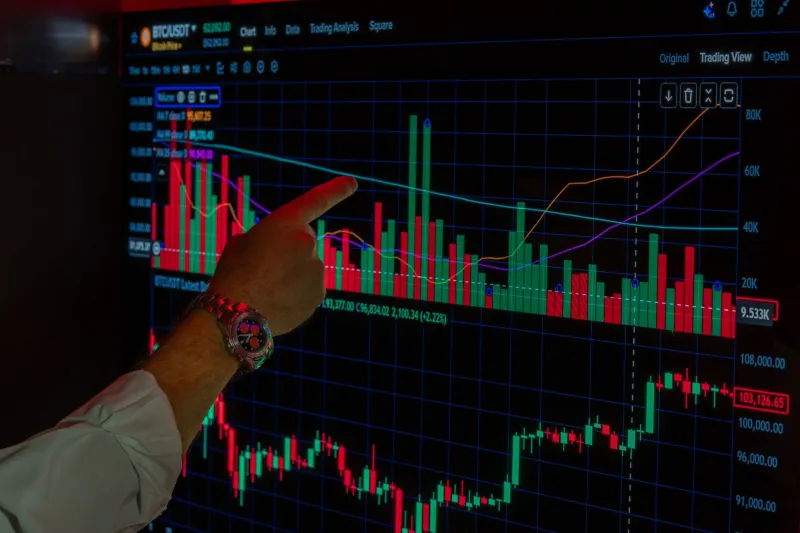
There's a certain type of crypto investor who wears their Ethereum maximalism like a badge of honor. ETH Twitter avatar, laser eyes optional, and a deeply held belief that anyone holding anything else is basically funding the enemy. It's a vibe. It's a community. And if you're optimizing for returns instead of religion, it might also be quietly wrecking your portfolio.
Let's talk about the Ethereum maxi trap — and how breaking out of it, strategically, can make you significantly richer without turning you into some kind of blockchain traitor.
The Loyalty Problem
Maximalism in crypto didn't come from nowhere. Bitcoin maxis built the template: one chain, one truth, everything else is noise. Ethereum's community borrowed that energy and ran with it. And honestly? For a long time, it worked. ETH outperformed most of the field over multi-year horizons. Holding conviction through the bear markets paid off.
But conviction and strategy are two different things. Conviction is emotional. Strategy is math. And when you start doing the math on single-chain portfolios versus diversified ones, the picture gets a lot more complicated than the maxis want to admit.
Here's the uncomfortable truth: during ETH's sideways periods — and there have been plenty — complementary Layer 1s and emerging ecosystems have posted some of the best returns in the entire market. Solana's 2023 comeback. Avalanche's DeFi surge. The Base ecosystem explosion in 2024. Investors who were locked into ETH-only positions missed every single one of those waves.
What "Complementary" Actually Means
Before anyone accuses Biggie ETH of going full altcoin casino, let's be precise about language. There's a difference between diversifying into complementary ecosystems and just aping into random garbage with a dog mascot.
Complementary L1s share Ethereum's core thesis — decentralized infrastructure, smart contract utility, real developer activity — but serve different market segments or solve different bottlenecks. Solana is optimized for speed and low-cost transactions. Avalanche carved out a niche in institutional DeFi and subnet customization. Cosmos built an entire interoperability layer. These aren't competitors in the ideological sense; they're different tools solving overlapping problems in a multi-chain world.
Strategic exposure to these ecosystems isn't a betrayal of Ethereum. It's an acknowledgment that the future of crypto is probably not a single chain monopoly — and that smart investors position themselves accordingly.
The Portfolio Math That Maxis Hate
Let's run a hypothetical that's grounded in real market data. Imagine two investors starting with $10,000 at the beginning of 2023.
Investor A is a pure ETH maxi. 100% of the bag goes into ETH. By end of 2023, ETH had roughly doubled from its lows, delivering solid but not spectacular gains.
Investor B allocates differently: 60% ETH as the core position, 15% SOL, 10% AVAX, 10% a basket of emerging L2 tokens, and 5% in stablecoins for opportunistic buys. SOL ran over 900% from its 2023 lows. AVAX had multiple significant rallies. The L2 basket caught the Base and Arbitrum momentum.
The result? Investor B's blended portfolio dramatically outperformed the ETH-only stack — not because they abandoned Ethereum, but because they let their ETH conviction anchor a broader strategy. The ETH position still did the heavy lifting on the base layer. The alts were the amplifiers.
This isn't cherry-picking. Backtested across multiple market cycles, diversified crypto portfolios with a dominant ETH anchor consistently outperform single-asset portfolios on a risk-adjusted basis. The volatility smooths out. The upside capture improves. The catastrophic drawdown risk decreases.
How to Actually Structure This
So what does a non-maxi, ETH-anchored portfolio actually look like in practice? Here's a framework that serious investors are using right now.
The Core (50-65%): ETH stays the foundation. This is your long-term conviction position, your staking yield generator, your DeFi collateral. Don't touch this thesis.
The Complements (20-30%): Two or three high-conviction L1s with real developer ecosystems, actual user activity, and institutional backing. Not meme chains. Not whatever launched last Tuesday. Think Solana, Avalanche, or Cosmos-adjacent assets — chains with proven staying power and differentiated use cases.
The Emerging Bets (10-15%): This is where you get a little creative. Early-stage L2 tokens, emerging DeFi protocols, or new ecosystem plays that are still finding their floor. Higher risk, higher potential reward. Keep this slice small enough that a zero doesn't hurt you.
The Dry Powder (5-10%): Stablecoins. Always. The ability to buy dips without liquidating your core position is an underrated edge.
The Psychological Barrier
Here's the real reason ETH maxis resist diversification: it feels like giving up. Like admitting that maybe Ethereum isn't the only answer. For people who've built their crypto identity around a single chain, spreading the bag can feel like a personal failure.
But the investors who are actually printing — the ones whose portfolios you'd want to study — don't have identities tied to tickers. They have frameworks tied to returns. They'll hold ETH through a bear market because the fundamentals support it, and they'll rotate into Solana when the momentum and metrics align, without losing a minute of sleep about what the maxis think.
The goal isn't to be loyal to a blockchain. The goal is to stack wealth. Biggie ETH's whole thing is riding the chain — but nobody said you could only ride one.
What This Doesn't Mean
Diversification is not an excuse to YOLO into every new chain that posts a flashy roadmap. The graveyard of dead L1s is enormous. Terra. EOS. Cardano's perpetual almost-there status. Chains that promised the moon and delivered nothing but heartbreak.
The discipline is in the selection. You're not diversifying to own everything — you're diversifying to own the right things alongside your ETH core. That means doing the same due diligence you'd do on any ETH project: check the developer activity, the TVL trends, the institutional interest, the actual use cases generating real fees.
If a chain can't answer the question "who is actually using this and why," it doesn't belong in your portfolio regardless of how many Twitter influencers are pumping it.
The Legendary Play
The most respected investors in this space — the ones who've been around since before the last bull run and will still be here after the next bear — almost universally run diversified books. They talk about ETH like it's home base. But they move around the ecosystem looking for asymmetric opportunities, and they come back to ETH richer for it.
Single-chain maximalism is a fine philosophy for Twitter arguments. For actual portfolio construction, it's a handicap. Break the trap, anchor to ETH, and let the broader ecosystem work for you.
Stack sats, ride the chain — just maybe more than one of them.