Drop It On-Chain: How Independent Artists Are Getting Paid Without Ever Signing a Deal

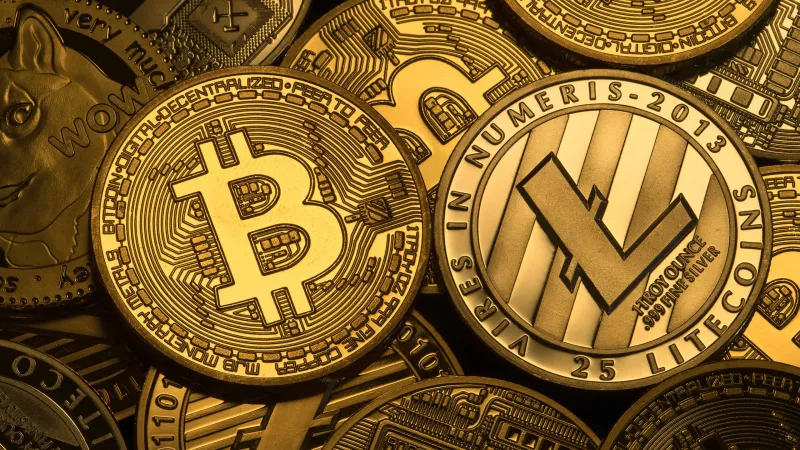
Photo: Femskid, CC BY-SA 4.0, via Wikimedia Commons
For decades, the music industry ran on one simple premise: if you wanted to eat, you needed a label. You signed away your masters, gave up a cut of your touring money, and prayed your A&R rep didn't get fired before your album dropped. The system wasn't built for artists — it was built for gatekeepers.
That system is getting remixed.
On Ethereum, a growing wave of independent musicians is doing something that would've sounded like science fiction ten years ago: minting their music as NFTs, building tokenized fan communities, and collecting royalties automatically through smart contracts — no label, no distributor, no lawyer taking 15% off the top. The chain doesn't care who you know. It just executes the code.
Why Ethereum? Why Now?
There's a reason Ethereum keeps showing up as the go-to chain for music creators rather than some cheaper, faster alternative. It comes down to trust infrastructure. The ecosystem of wallets, marketplaces, and DeFi tools built on Ethereum gives artists access to a financial layer that other chains simply can't match yet. When you mint on Ethereum, you're plugging into the most battle-tested smart contract environment in crypto.
Platforms like Sound.xyz, Catalog, and Royal have emerged specifically to serve musicians on Ethereum. They're not Spotify with a blockchain slapped on top — they're fundamentally different models. On Sound.xyz, for example, artists drop limited editions of their tracks directly to fans who collect them as NFTs. The collector gets a piece of music history; the artist gets paid instantly, with royalty splits baked into the contract itself.
No net-90 payment terms. No algorithmic playlist politics. Just code doing what it promised.
Real Artists, Real Numbers
This isn't theoretical. Artists are already printing real money through on-chain music.
Take Daniel Allan, an independent producer who raised over $100,000 through a crowdfunded EP using music NFTs before most people had heard of the model. He essentially pre-sold fractional ownership of his project to fans who believed in him early. Those early supporters didn't just get a digital collectible — they got a stake in the upside if the music performed. It's part patronage, part investment, and entirely outside the traditional label framework.
Similarly, artists on Catalog have sold single-edition tracks — think of them as the vinyl one-pressings of the digital age — for anywhere from a few hundred to tens of thousands of dollars. The platform enforces on-chain royalties, meaning every time that NFT changes hands in the secondary market, the original artist gets a cut automatically. No chasing invoices. No disputes. The smart contract just handles it.
Rachel Chinouriri, Vérité, and a handful of other indie artists have used the Royal platform to let fans buy actual royalty stakes in their songs. Fans who bought into certain drops have already received streaming royalty distributions paid out in USDC directly to their wallets. The line between fan and investor is blurring — and artists are benefiting from that loyalty in ways Spotify streams never enabled.
The Practical Reality: Gas Fees and Market Noise
Let's not pretend the vibe is perfect, because it isn't.
Gas fees on Ethereum mainnet have historically been the elephant in the room for music NFTs. Minting a track during a high-congestion period used to cost enough to wipe out a small drop's entire profit margin — especially for emerging artists without an established collector base. That friction pushed some creators toward cheaper chains, and it's a legitimate concern.
The good news is that 2025 looks different. Layer 2 solutions have changed the math significantly. Platforms building on Base, Optimism, and Arbitrum are bringing gas costs down to near-zero while still inheriting Ethereum's security guarantees. Sound.xyz has been actively exploring L2 deployments, and the overall cost of participating in on-chain music has dropped enough that a first-time artist can mint without gambling their rent money on transaction fees.
Market saturation is the other honest challenge. The music NFT space exploded fast, and with that explosion came a lot of noise. Not every drop sells out. Not every artist finds their collector community on the first try. The artists who are winning consistently tend to be the ones treating their on-chain presence like a long game — building community in Discord and Farcaster, showing up consistently, and giving collectors a reason to hold rather than flip.
Tokenized Fan Communities: The Real Long Play
Beyond individual track sales, the more interesting development is what happens when artists start building token-gated communities around their work.
Imagine holding an NFT from your favorite independent artist that gets you early access to unreleased demos, direct voice chats with the artist, and a vote on which city they headline next. That's not a hypothetical — it's already happening. Some artists are using tools like Unlock Protocol to create membership passes on Ethereum that function like a VIP backstage pass that lives in your wallet permanently.
For the artist, this model creates a recurring revenue relationship with their most dedicated fans. For the fan, it creates genuine ownership in an artist's world — not just a playlist follow that can be revoked any time an algorithm decides to bury the account.
This is where the DeFi angle gets genuinely interesting. Artists who understand how to structure their on-chain economics — combining primary sales, secondary royalties, and token-gated memberships — are building diversified income streams that traditional label deals never offered. The smart contract is the new record deal, and it actually reads in your favor.
What This Means for the Rest of Us
If you're an Ethereum investor watching this space, the music NFT vertical is worth paying attention to — not just because of speculative upside on individual drops, but because it's one of the clearest real-world use cases for what Ethereum's infrastructure actually makes possible.
Platforms capturing this creator economy are building genuine network effects. Artists bring fans. Fans become collectors. Collectors become investors in the broader ecosystem. That flywheel is just starting to spin.
The labels aren't going away overnight. But for the first time, independent artists have a credible alternative — and it runs on Ethereum. That's not hype. That's the chain doing what it was always supposed to do.
Stack sats, sure. But keep one eye on who's minting.